Find Minneapolis top Lawn Care Services for Professional Lawn Solutions
Find Minneapolis top Lawn Care Services for Professional Lawn Solutions
Blog Article
Thorough lawn maintenance options for a luxuriant, green Yard
Thorough lawn care services are vital in developing a flourishing, robust yard. Routine methods including lawn cutting, soil loosening, and fertilization support strong grass growth while reducing weeds and pests. Understanding soil health is similarly crucial, since it impacts nutrient absorption. Property owners often struggle in upkeeping their lawns. The suitable methods can create notable improvements, producing a dense, green yard that boosts property value. How do you find the essential actions to guarantee success?
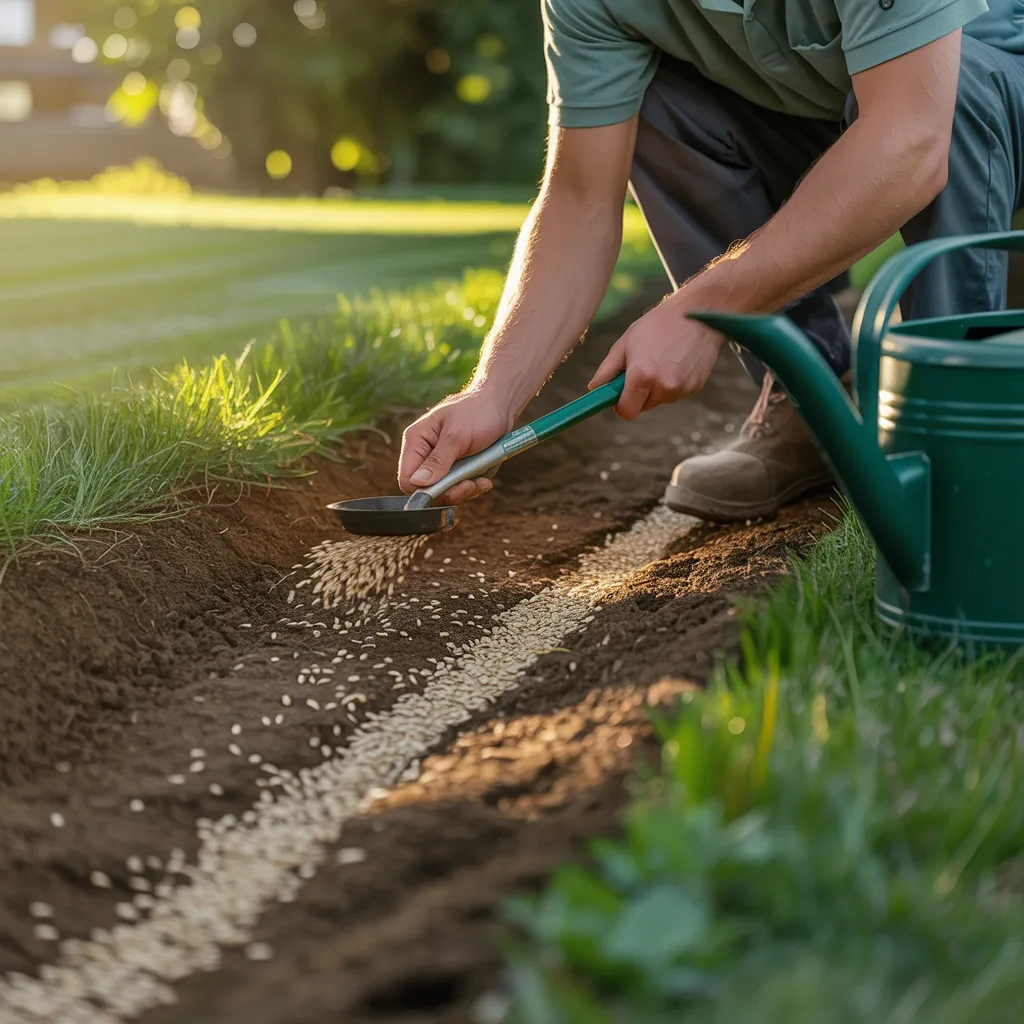
Important Lawn Care Services for Optimal Growth
Key lawn care services play an important role in promoting ideal growth for any yard. These services consist of a variety of practices that ensure the health and vigor of the grass. Regular mowing is critical, as it facilitates even growth while preventing weeds from establishing. Aeration is another essential service, helping air, water, and nutrients to reach the soil, fostering deeper root development. Fertilization provides vital nutrients that stimulate growth and enhance color, leading to a lush appearance. Weed control is just as important, as it defends the lawn from harmful weeds that compete with resources. Additionally, proper irrigation practices, including scheduling and monitoring, guarantee that the lawn is supplied with adequate moisture without overwatering. Together, these key lawn care services build an environment where grass can thrive, ultimately yielding a vibrant and healthy yard. Keeping up these practices regularly can greatly enhance the overall aesthetics and functionality of outdoor spaces.
Why Soil Vitality Is Fundamental to Your Lawn's Development
Soil quality functions as the foundation for a flourishing lawn, affecting each aspect from nutrient availability to water retention. Quality soil is full of natural organic content, which helps retain moisture and supplies essential nutrients for turf development. A balanced soil pH proves important, as it affects how well grass can access such elements. In addition, advantageous organisms in healthy soil facilitate nutrient cycling while enhancing soil structure, resulting in improved air flow enhanced water drainage.
In contrast, degraded soil conditions can cause compacted, nutrient-depleted conditions that block grass growth. Weeds and pests can succeed in deficient soil, battling with grass for resources. Frequent soil evaluation and enhancements can help sustain ideal conditions. Ultimately, committing to soil vitality is important for a lush, green lawn, as it establishes a strong biological system that nourishes strong turf and lowers the need for chemical interventions.
How to Find the Ideal Fertilization Strategy
Fertilization proves vital to sustaining a thriving lawn, particularly once a firm soil foundation exists. Selecting the best fertilization strategy demands that you primarily evaluate the particular nutrient demands revealed through soil tests. Learning about the main nutrients—nitrogen, phosphorus, and potassium—proves helpful when selecting the suitable fertilizer type. For example, nitrogen drives growth, phosphorus supports root development, and potassium improves overall resilience.
Correct coordination is likewise critical; applying fertilizer during the growing season can optimize nutrient intake. Additionally, selecting the appropriate grass type is essential, as different species have varying nutrient requirements. Gradual-release fertilizers supply sustained nourishment, while quick-release options provide quick advantages.
Ultimately, climatic conditions such as rainfall and temperature should dictate application rates and frequency. By factoring in these considerations, lawn owners can formulate a personalized feeding approach that encourages a thick, vibrant turf while advancing long-term health and well-being.
Lawn Maintenance: Powerful Pest Management Techniques
Maintaining a lush lawn requires effective pest control. Integrated Pest Management (IPM) methods present a holistic approach, blending multiple strategies to address pests while minimizing environmental consequences. Additionally, organic solutions provide sustainable alternatives that can work just as well in protecting lawns safe from destructive pests.
Integrated Insect Management Plans
Integrated Pest Management (IPM) methods offer a holistic strategy to maintaining healthy lawns while reducing environmental consequences. This technique highlights the importance of monitoring pest populations and understanding their life cycles. By spotting pests correctly, lawn care professionals can apply focused solutions rather than blanket treatments. Cultural practices, including appropriate watering and mowing approaches, serve an important function in stopping pest challenges. Additionally, supporting helpful organisms, such as predatory insects, may help controlling pest levels biologically. Regular review and adaptation of approaches ensure the lawn continues to be resilient against insect invasions
Organic Insect Management Solutions
Grounded in the tenets of Integrated Pest Management, nature-based pest control strategies provide a long-term framework to regulating lawn pests without synthetic chemicals. These techniques emphasize the use of natural materials and biological agents to prevent harmful insects. For instance, beneficial insects like ladybugs and lacewings can be established to control aphid populations. Additionally, natural repellents such as neem oil and diatomaceous earth are potent alternatives to traditional pesticides. Regularly monitoring pest populations and promoting healthy soil through composting further enhance lawn resilience. By focusing on ecological balance, organic pest control not only protects the lawn but also facilitates local biodiversity, creating a vibrant and thriving environment. This holistic approach aligns with growing consumer preferences for environmentally friendly lawn care solutions.
Why Aerating and Reseeding Elevate Your Grass Care
Aeration and overseeding serve as key dimensions in renewing a lawn, strengthening its condition and look. Aeration requires making holes in the soil with openings to ease compaction, allowing air, water, and nutrients to reach deeper roots. This practice promotes stronger root systems and strengthens overall soil quality. By supporting better absorption, aeration helps the grass flourish, notably in high-traffic areas.
Overseeding complements aeration by introducing new grass seed to the existing lawn. This technique covers bare patches and encourages thicker, healthier growth. It also assists in strengthening the lawn's resistance to pests and diseases. The pairing of aeration and overseeding creates optimal circumstances for seed germination, resulting in a lush, green yard.
Collectively, these approaches not simply boost the decorative value of a lawn but also facilitate its prolonged health, making them necessary components of effective lawn care programs.
Seasonal Recommendations for Keeping a Thriving Lawn All Year Long
To maintain a vibrant lawn throughout the year, particular seasonal approaches are essential. In spring, proper nutrient application can promote healthy growth, while fall aeration methods help prepare the grass for winter. Understanding these practices ensures a lush lawn regardless of the season.
Spring Feeding Strategies
Spring fertilization that is well-timed can significantly improve the health and appearance of a lawn all year long. As temperatures go up and grass begins to grow, applying a balanced fertilizer with nitrogen, phosphorus, and potassium can supply key nutrients. Timing is critical; fertilization should be done after the last frost when grass is actively growing. This promotes strong root development and deep green blades. In addition, selecting slow-release formulations can assure nutrients are available over an extended period, encouraging continued growth. It is vital to follow the manufacturer’s instructions for application rates and frequency to avoid over-fertilizing, which can damage the lawn and surrounding environment. Proper watering after fertilization further assists nutrient absorption, laying the foundation for a lush lawn.
Fall Aerating Methods
Rehabilitating a lawn during fall usually involves using quality aeration approaches. Aeration is important for improving soil condition and promoting vigorous root expansion. This activity involves making small holes in the soil with small openings to decrease soil compression, enabling air, water, and nutrients to go deeper. The ideal time for fall aeration is when the grass is flourishing, typically between September and October. Homeowners can opt for core removal, which removes plugs of soil, and perforation aeration, which merely makes holes. After finishing aeration, spreading quality fertilizer can additionally help turf rejuvenation and growth. Periodic fall aeration not only enhances turf durability but also readies it for the winter months, guaranteeing a verdant and lush yard come spring.
Advantages of Choosing Specialized Lawn Care Providers
Engaging expert landscaping professionals converts outdoor spaces into verdant, thriving outdoor areas. These experts bring specialized knowledge and experience, guaranteeing that lawns get customized care suited to individual lawn requirements. Expert lawn care typically include nutrient application, insect management, and unwanted plant removal, all of which support a more robust and vibrant grass.
Moreover, these services often leverage advanced equipment, producing results that may be tough for homeowners working with standard equipment. Time savings represent another vital benefit; by outsourcing lawn care tasks, homeowners can concentrate on other priorities while keeping a beautiful yard.
Professionals stay updated on the newest lawn care trends and environmentally friendly practices, promoting sustainability in addition. Regular maintenance delivered by experts can enhance the general appearance and worth of a residence. In conclusion, engaging expert lawn care services not only boosts the appearance of exterior areas but also guarantees effective, effective, and sustainable lawn care.
Often Asked Questions
How Frequently Should I Mow My Lawn for Best Results?
Experts recommend mowing the lawn once a week during the growing season. This schedule promotes healthy growth while stopping full details the grass from growing excessively, guaranteeing a neat appearance and reducing the risk of pests and disease.
Which Season of Year Stands Ideal for Turf Upkeep?
The optimal season for grass maintenance generally falls in spring and early fall. During these periods, grass thrives actively, allowing for ideal fertilization, aeration, and overseeding, guaranteeing a vibrant, green turf.
Is It Better to Perform Lawn Care Myself or Bring In Professionals?
Homeowners can decide to manage lawn care on their own or employ professionals, based on their expertise, time availability, and preferred outcomes. DIY delivers budget savings, while professionals provide specialized understanding and quality service for excellent outcomes.
How Do Weather Conditions Modify Your Lawn Maintenance Schedules?
Environmental conditions greatly influence lawn care routines. Rain can enhance growth, while drought demands more frequent watering. Temperature shifts affect mowing schedules, and seasonal changes dictate fertilization timing, requiring adaptability for ideal lawn health.
What Include Routine Issues to Elude in Yard Maintenance?
Common errors in lawn care consist of overwatering, incorrect cutting heights, neglecting soil health, using the wrong fertilizers, and neglecting pest management. Knowledge and correct methods can significantly improve the health and appearance of the lawn.
Report this page